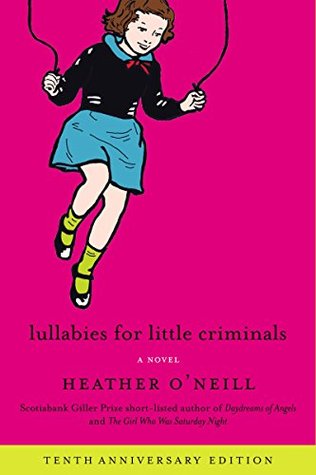

Feminist Theory in Lullabies For Little Criminals

In the last part of Heather O’Neill’s novel, Lullabies for little criminals, Baby hits rock bottom. Her relationship with Alphonse becomes extremely abusive: he begins hitting her more and more, saying things like I’d kill myself without you and even uses her body to get drug money. She practically becomes a sex slave for this grown man, he forces her to “turn tricks” as Baby likes to call it and takes all the money she earns for heroin. Baby even states “I had to turn tricks every night now. Since I started living with Alphonse, he had a shorter temper and didn’t cut me any slack in that department.” (O’Neil, 288)

“I knew Alphonse was a pimp and that sooner or later I was going to have to turn a trick. For some reason it seemed as natural as growing wisdom teeth. I didn’t even question why I was going to have to.”

O’Neil, 215
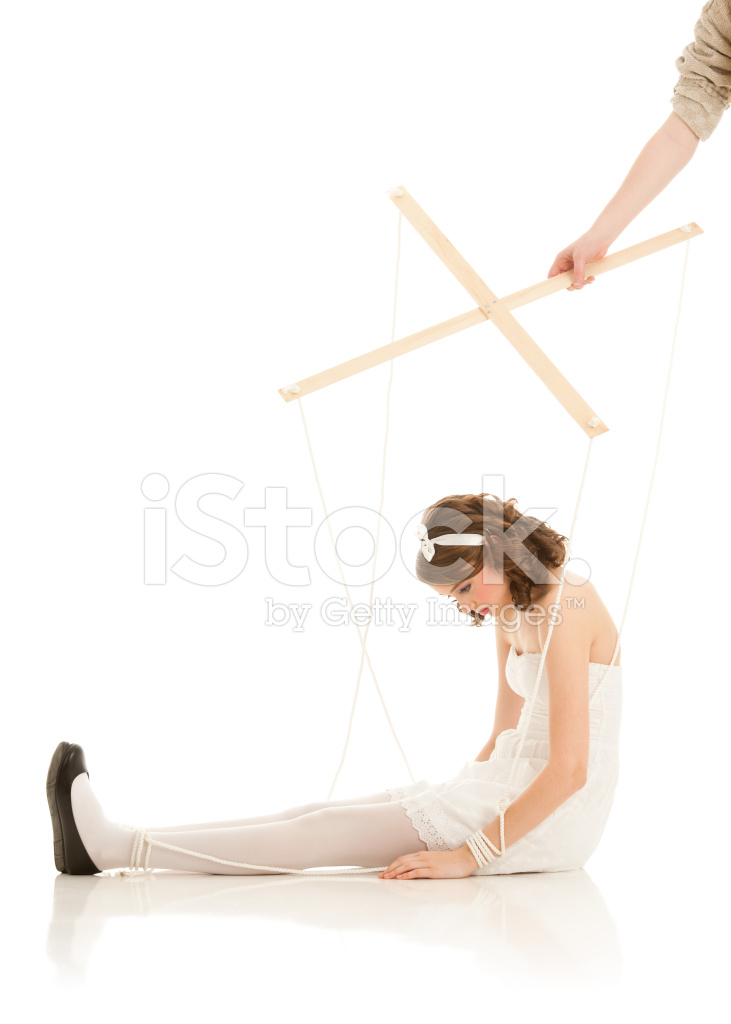
In a feminist point of view, this shows that Baby has no control over herself or her body; she’s being used like a puppet and Alphonse is her master.

This is a common theme in the last half of the story. As the story progresses, the of women changes as well. At the start women were mostly seen as mother figures, people who would care for and help Baby in her time of need. Near the end, women were portrayed as weak, abused sex tools and money grabbers due to the men taking advantage of them. On the subject of the men, Baby’s relationships with them begin to change as well. At the start of the novel she adored her father as well as his friends he would bring over to get high with. But the more she experienced in the “real” world, the worse those relationships turned. Turning tricks ever night for these grown men resulted in disgust.

For some reason, I’ve never been able to figure out what year(s) this story takes place but even in 2019, underage prostitution is still a huge issue in Quebec, where this story takes place and it’s thriving. According to the article I read that what happened to Baby is actually quite common. “If a young girl posts about being kicked out of her house, breaking up with her partner, and being broke, an undercover pimp now knows how vulnerable she is and can take advantage of her situation” (MTL Blog, 2019) Baby was known to be a trouble child, people knew her father was a drug addict, and the two moved around a lot, often getting into fights. That’s why Alphonse was able to pick Baby up easily.
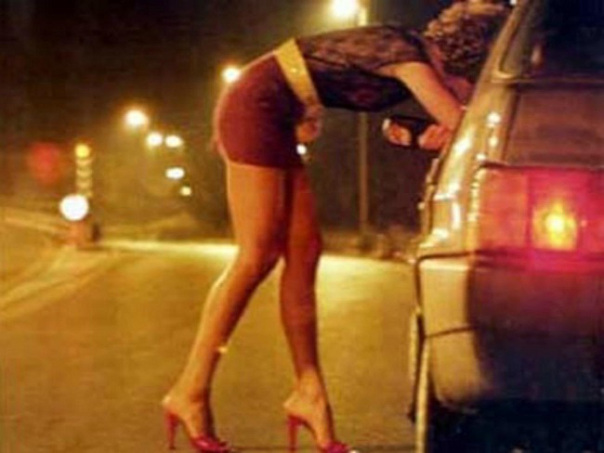
The most prominent feminist theme in the novel is the objectification of women. They’re seen as things of sex, only to be used for men’s pleasure. Thinking back on it now, at the very beginning of the story Baby runs into an old friend who tells her about prostitution and the wonders. Jules too was constantly bringing this up.

“My dad had told me that if you stayed out after nine and you were a girl it meant that you wanted to have sex with whoever was passing by. He told me that if I got raped after 9 o’clock the court would probably say I deserved it.”

O’Niel, 102

A way Baby tries to take power in the story is through her relationship with Xavier. He was a boy her age, someone who she genuinely liked. Yes, she’d been with men before, but this time she actually wanted to be with him. Near the end of the novel when Baby is stoned, she invites Xavier over to Alphonse’s where the two have sex. I feel like this was a big ol’ middle finger to Alphonse, her way of saying ‘it’s my body and not yours. I can make my own decisions.’ She was doing it with someone she loved, not drug money for her pimp.
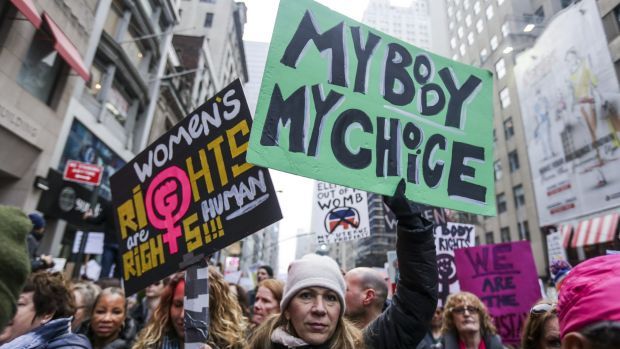
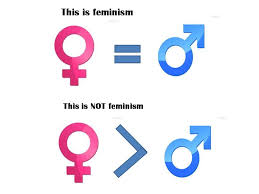
Reading this novel was a reminder of how lucky we are today to have feminism in our lives but at the same time, a rude awakening that we still have a long way to go until men, women and everyone in between are equal and respected.
Work Cited

Lombardo, Sarah. “Underage Prostitution Is In Such High Demand In Quebec City That People Are Moving There Just To Exploit Minors.” MTL Blog, MTL Blog, http://www.mtlblog.com/news/montreal/underage-prostitution-is-in-such-high-demand-in-quebec-city-that-people-are-moving-there-just-to-exploit-minors.ONeill, Heather. Lullabies for Little Criminals: a Novel. Harper Perennial, 2016.

Archetypes in Lullabies for Little Criminals

The second half of Lullabies for Little Criminals by Heather O’Neill focuses on the downfall of Baby’s life. She finds a friend in a local boy Theo, but soon realizes he’s a horrible influence on her. After losing her only “friend”, a man by the name of Alphonse takes interesting in Baby, comforting her in a time of need. Baby is quick to trust him and the two get close, too close. Alphonse makes Baby a prostitute.

OLYMPUS DIGITAL CAMERA

In this section of the novel it is obvious there’s something missing, the Great Mother. As Baby has mentioned before, her mother died when she young age and has little to no memory of her other than what her father has told her; but she’s not even sure if what he’s saying is the truth. She’s constantly looking for that mother figure and craves the attention that they give. See found this temporarily in Isabell, her foster mom , Theo’s mother as well as the Russian landlady. Her exchanges with these women always ended in her feeling guilty, as if she was cheating on her own mother in a way.


“ I was always kind of smitten by woman. Probably because I’ve never had a mother.”

O’Niell, 163

It might sound odd since he’s a pimp, I feel like the reason Baby was so quick to trust Alphonse was because he was the only one at the time giving her comfort and advice when the rest of the world seemed like it was going against her. He even offered her a place to stay when it was too hard to go back home. But of course, he didn’t stay this loving archetype for long. He abused the trust Baby had given him and began using her in a sexual way for himself and other but Baby went along with it.

For Baby, thank the archetype the fits are the best is the explorer. Explorers desire is to find out who they are exploring the world. In the story I see Baby doing this quite often. She usually tries things without thinking it through first like when she and Theo broke into old friends house and destroyed almost everything inside. I’m having trouble finding the quote but I believe there’s a part where she mentions she had no idea what she was getting herself into but went along with Theo. When you think about it, this is also a characteristic of a drug user, like her father too.

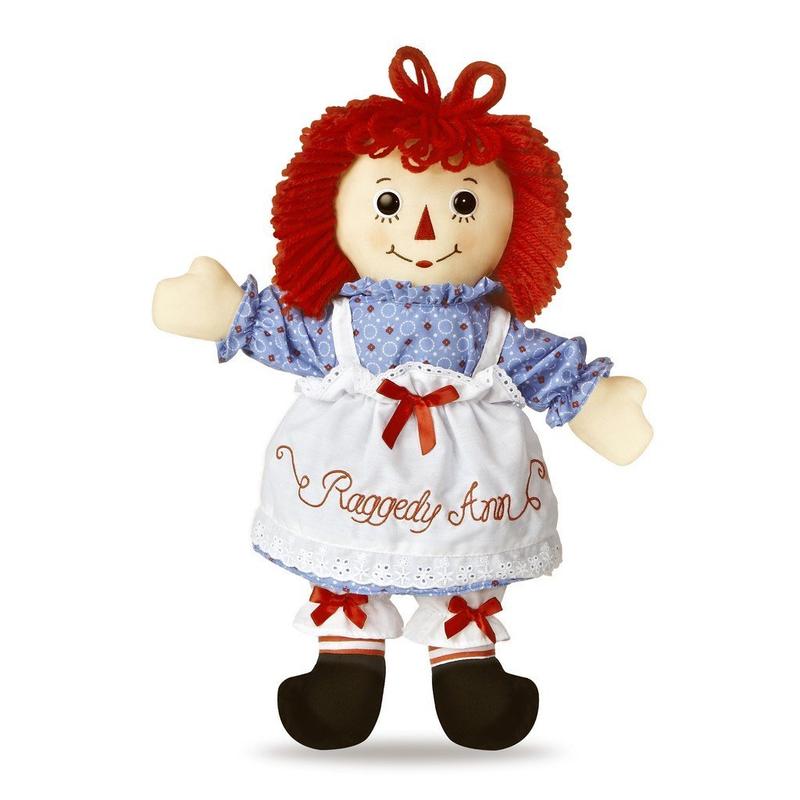
I feel like Baby’s baby doll, the one that her mother gave her as a child symbolizes something important. After Jules destroys it, Baby begins a downward spiral into drugs and prostitution. I can’t help but feel like the doll symbolized Baby’s childhood and the destruction of it was the start of a new chapter. Even though Jules fixed the doll, Baby didn’t care anymore. Just like how she didn’t care what she was doing anymore.

Due to Baby’s explorer nature, I can still see her continuing down this rabbit hole of sex and drugs until she’s stopped by someone like her father.

Work Cited

O’Neil, Heather. Lullabies for Little Criminals. 1st ed., Harper Perennial, 2006. Print.

Lullabies For Little Criminals

Lullabies for little criminals by Canadian author, Heather O’Neill, is a heart wrenching story following 13 year old, Baby. Due to her mother passing away at a young age her father, Jules, is left with the task left to raise her, when he too is a child himself.
As time passes her fathers heroin addiction worsens causing him to be in and out of the hospital and rehab. For baby this means she’s passed from person to person, trying to find a place where she can stay. With these constant moves comes constant challenges and Baby is left teetering on the edge of adulthood and childhood.

Though I’m only a third of the way done the book so much has happened and Baby has already grown so much as a character, and not in a good way.  

Baby has never been given the chance to just be a kid, but it’s not her fault. She’s grown up without a mother and her father too preoccupied with heroine to actually raise his child. Yet Baby still loves him, even idealizes him in a way which I believe may be her downfall.

“Can you get me some magic mushrooms? I have five bucks I just want to couple you can keep the rest for yourself”

“All right, sure. You got the money on you?”

I handed Jean-Michel five dollars. He gestured for me to wait for him and headed across the street, waving to someone in the park. Jean-Michel walked past him and drop the money. The guy picked it up and placed a baggy delicately on the ground. It was all very efficient and professional.

Jean-Michel didn’t know he shouldn’t get a 12-year-old drugs. He didn’t even know what a 12-year-old was. He took some mushrooms out of the bag and put them in his pocket, gave me the bag. I skipped down the road feeling like I’ve accomplished something. I put the bag under my bed and waited for the right moment.” (O’Niell, 81)

Because of the environment Baby has been growing up in, she feels as if buying these drugs is something she should be proud of, and as if her father would be proud of her as well. Kids have been taught their whole life about the dangers of drugs and how the use of them will get you into big troubles in a lot of different ways. I even remember when I was Baby’s age and we had police come into our class and lecture us about this topic and how scared my classmates and I were about drugs. This is something Baby was probably never taught, even if she was, it was normalized in her everyday life. Since Jules always leaves when he’s at his worst, she never gets to see the worst of it.

With all that being said, I can’t help but to this the story will only continue getting darker for Baby. She’ll cross the line of childhood to adulthood too early in her life and as much as I hate to say it, her life will continue getting worse.  

Sympathies huge topic when it comes to this story, whether it’s sympathy towards Baby, Jules, or any of the other kids she comes across but I think I’m having a bit of trouble with that. Obviously I’m sympathetic towards Baby, she’s had no control of her environment or upbringing and what she’s doing now is just the tragic consequences of those factors. But I have different feelings when it comes towards her father. This may seem harsh but I don’t feel much sympathy for him. He’s an adult, he’s aware of what he’s doing to himself and to his child and I think it’s that fact what upsets me the most. But maybe that’s how the author wants me to feel?

Though I have really enjoyed this book thus far, I can’t help but be saddened by it. When reading, it feels just like any other story, a work of fiction but when I put it down it hits me;  this is a real struggle. Millions with kids are raised like this and no one talks about it. In fact, in Canada’s alone, there are 1.3 million children living in poverty and 15 million in the states. That’s 21% of children in the U.S.A.

This is terrifying in my eyes and should be in yours as well. The environment in which someone is raised in can and will affect them for the rest of their life. Baby is a perfect example of this; she’s growing up in a world we’re drugs are glorified and now she’s normalized them. “I was very firm on the idea that I will become a drug addict too now. I didn’t care what drug is going to be addicted to.” (O’Niell, 72)

Grade 12 University level English; should it be a requirement for entry into all university programs?

No matter what program you are going into, whether it be math, art, history, I believe grade 12 university level English should be a requirement. The reason I believe in this is because the things you learn are import skills for your future. While things like reading Shakespeare may seem unnecessary, it’s how you learn to analyze these stories and make connections that comes in handy in the future.

Another extremely important thing students learn in English that will certainly be used in their future is essay writing. When you learn how to properly write an essay, you’re also learning skills like how to create effective arguments and communication skills.

Taking grade 12 English should be a requirement for entry into all university programs.