

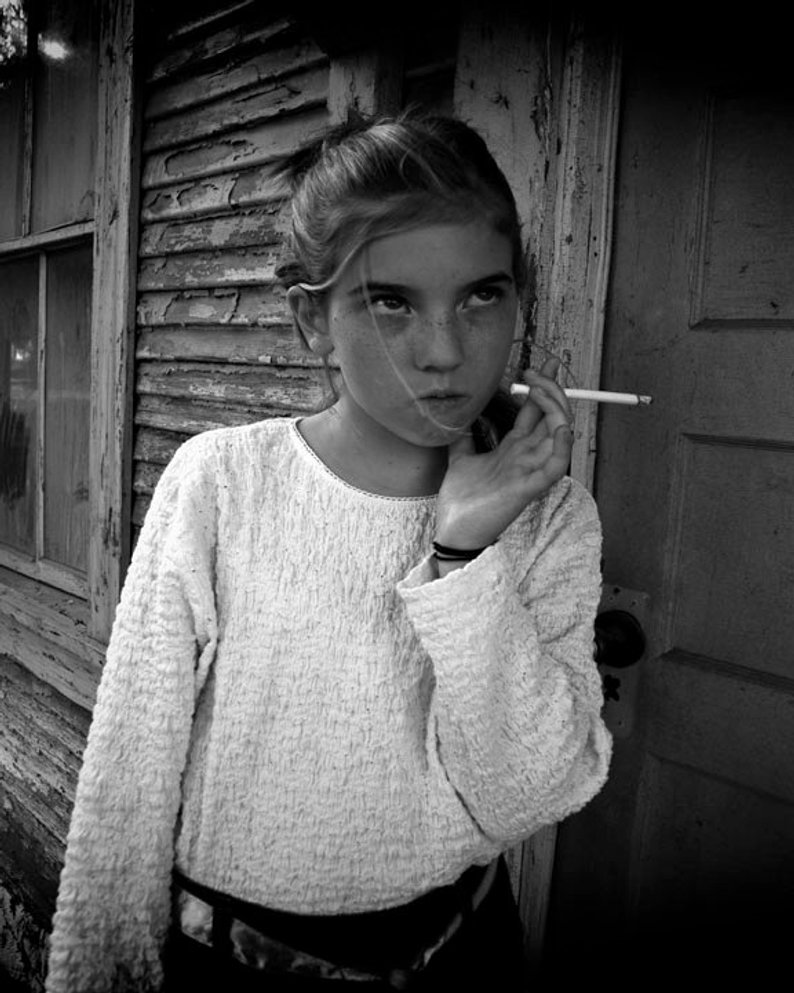
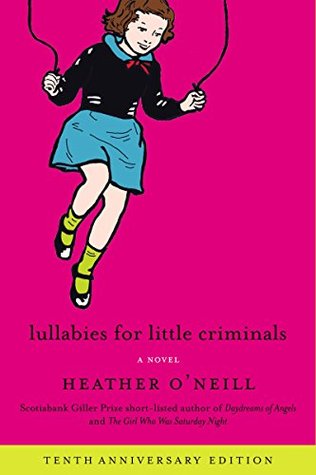
In the last part of Heather O’Neill’s novel, Lullabies for little criminals, Baby hits rock bottom. Her relationship with Alphonse becomes extremely abusive: he begins hitting her more and more, saying things like I’d kill myself without you and even uses her body to get drug money. She practically becomes a sex slave for this grown man, he forces her to “turn tricks” as Baby likes to call it and takes all the money she earns for heroin. Baby even states “I had to turn tricks every night now. Since I started living with Alphonse, he had a shorter temper and didn’t cut me any slack in that department.” (O’Neil, 288)
“I knew Alphonse was a pimp and that sooner or later I was going to have to turn a trick. For some reason it seemed as natural as growing wisdom teeth. I didn’t even question why I was going to have to.”
O’Neil, 215

This is a common theme in the last half of the story. As the story progresses, the of women changes as well. At the start women were mostly seen as mother figures, people who would care for and help Baby in her time of need. Near the end, women were portrayed as weak, abused sex tools and money grabbers due to the men taking advantage of them. On the subject of the men, Baby’s relationships with them begin to change as well. At the start of the novel she adored her father as well as his friends he would bring over to get high with. But the more she experienced in the “real” world, the worse those relationships turned. Turning tricks ever night for these grown men resulted in disgust.
For some reason, I’ve never been able to figure out what year(s) this story takes place but even in 2019, underage prostitution is still a huge issue in Quebec, where this story takes place and it’s thriving. According to the article I read that what happened to Baby is actually quite common. “If a young girl posts about being kicked out of her house, breaking up with her partner, and being broke, an undercover pimp now knows how vulnerable she is and can take advantage of her situation” (MTL Blog, 2019) Baby was known to be a trouble child, people knew her father was a drug addict, and the two moved around a lot, often getting into fights. That’s why Alphonse was able to pick Baby up easily.
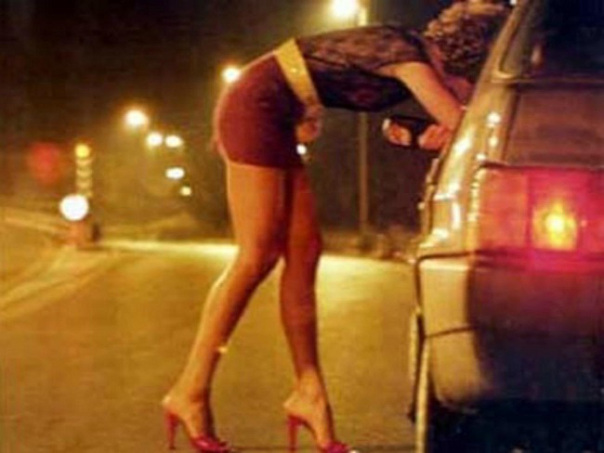
The most prominent feminist theme in the novel is the objectification of women. They’re seen as things of sex, only to be used for men’s pleasure. Thinking back on it now, at the very beginning of the story Baby runs into an old friend who tells her about prostitution and the wonders. Jules too was constantly bringing this up.
“My dad had told me that if you stayed out after nine and you were a girl it meant that you wanted to have sex with whoever was passing by. He told me that if I got raped after 9 o’clock the court would probably say I deserved it.”
O’Niel, 102
A way Baby tries to take power in the story is through her relationship with Xavier. He was a boy her age, someone who she genuinely liked. Yes, she’d been with men before, but this time she actually wanted to be with him. Near the end of the novel when Baby is stoned, she invites Xavier over to Alphonse’s where the two have sex. I feel like this was a big ol’ middle finger to Alphonse, her way of saying ‘it’s my body and not yours. I can make my own decisions.’ She was doing it with someone she loved, not drug money for her pimp.
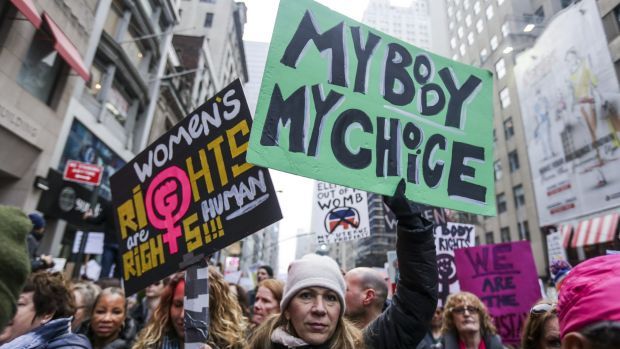
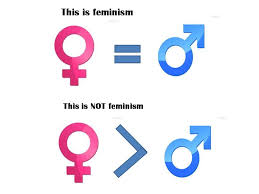
Reading this novel was a reminder of how lucky we are today to have feminism in our lives but at the same time, a rude awakening that we still have a long way to go until men, women and everyone in between are equal and respected.
Work Cited
Lombardo, Sarah. “Underage Prostitution Is In Such High Demand In Quebec City That People Are Moving There Just To Exploit Minors.” MTL Blog, MTL Blog, http://www.mtlblog.com/news/montreal/underage-prostitution-is-in-such-high-demand-in-quebec-city-that-people-are-moving-there-just-to-exploit-minors.ONeill, Heather. Lullabies for Little Criminals: a Novel. Harper Perennial, 2016.


 Hunter's English Blog